Opportunities for Youth Achievement Initiative

In 2008, after several years of funding a wide variety of educational programs, the Webber Family Foundation adopted a more focused grantmaking strategy centered on helping high-achieving, lower-income youth reach the highest levels of academic and artistic achievement.
Today, this work continues through the Foundation’s Opportunities for Youth Achievement (OYA) initiative. OYA supports effective nonprofits that build a strong early foundation for young learners, offer rigorous enrichment opportunities for youth, ensure quality school options for all, and help college students achieve their post-secondary goals.

Through this initiative, our goal is to help unlock access to new opportunities where they didn’t exist before.
GUIDELINES | FAQS | APPLY

Focus Areas

Todos Juntos

SCHOOL READINESS & EARLY LITERACY


Age 3 – Grade 3

We believe breaking the cycle of poverty starts early with a quality education.

The objective of this initiative is to increase the number of lower-income students who enter Kindergarten as high-achievers (at or above grade-level norms) and achieve reading proficiency by third grade.

Grants support quality preschool programs that provide structured, school- or center-based education for children ages 3-5, with a focus on early literacy and parent engagement.  Grants will also fund early literacy programs – for students in Kinder to 3rd grades – working to decrease the post-PreK fadeout that can occur once children enter the public school system.

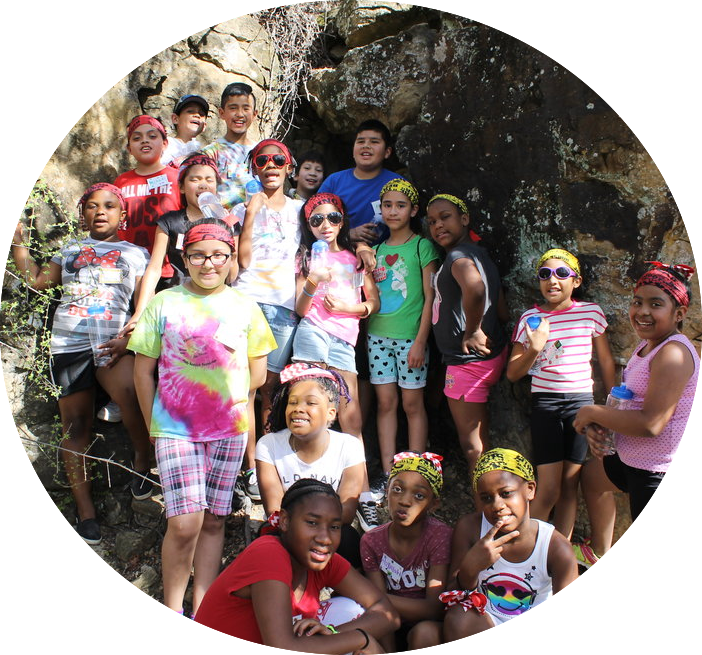
Andy Roddick Foundation Camps

OUT-OF-SCHOOL TIME ENRICHMENT

Grades 4-12

We believe out-of-school time learning provides transformational experiences.  We also believe the arts are essential for youth development and innovation.

The objectives of this initiative are to increase the number of lower-income students who develop academic and artistic skill during out-of-school time enrichment. We define enrichment as activities that extend learning beyond the content/expectations of the school curriculum.  Enrichment could be academic (robotics clubs, book clubs, summer space camp, etc.) or in the arts (music lessons, screenwriting workshop, dance program, etc.).  Not included are remedial programs to help struggling students achieve grade-level expectations.

Grants support long-term, intensive programs that serve lower-income students in grades 4 – 12 who are exceeding grade-level norms.

Specific interests include enrichment programs that help students fulfill their potential through academics and/or the arts. This initiative does not include development of leadership and/or social skills, mentoring (except in the context of academics or the arts), nor remedial programs to help struggling students achieve grade-level expectations. In the arts, grants will fund programs that allow students to study music, dance, visual arts, and/or theater in depth. Artistic skill development – not exposure – is the goal.

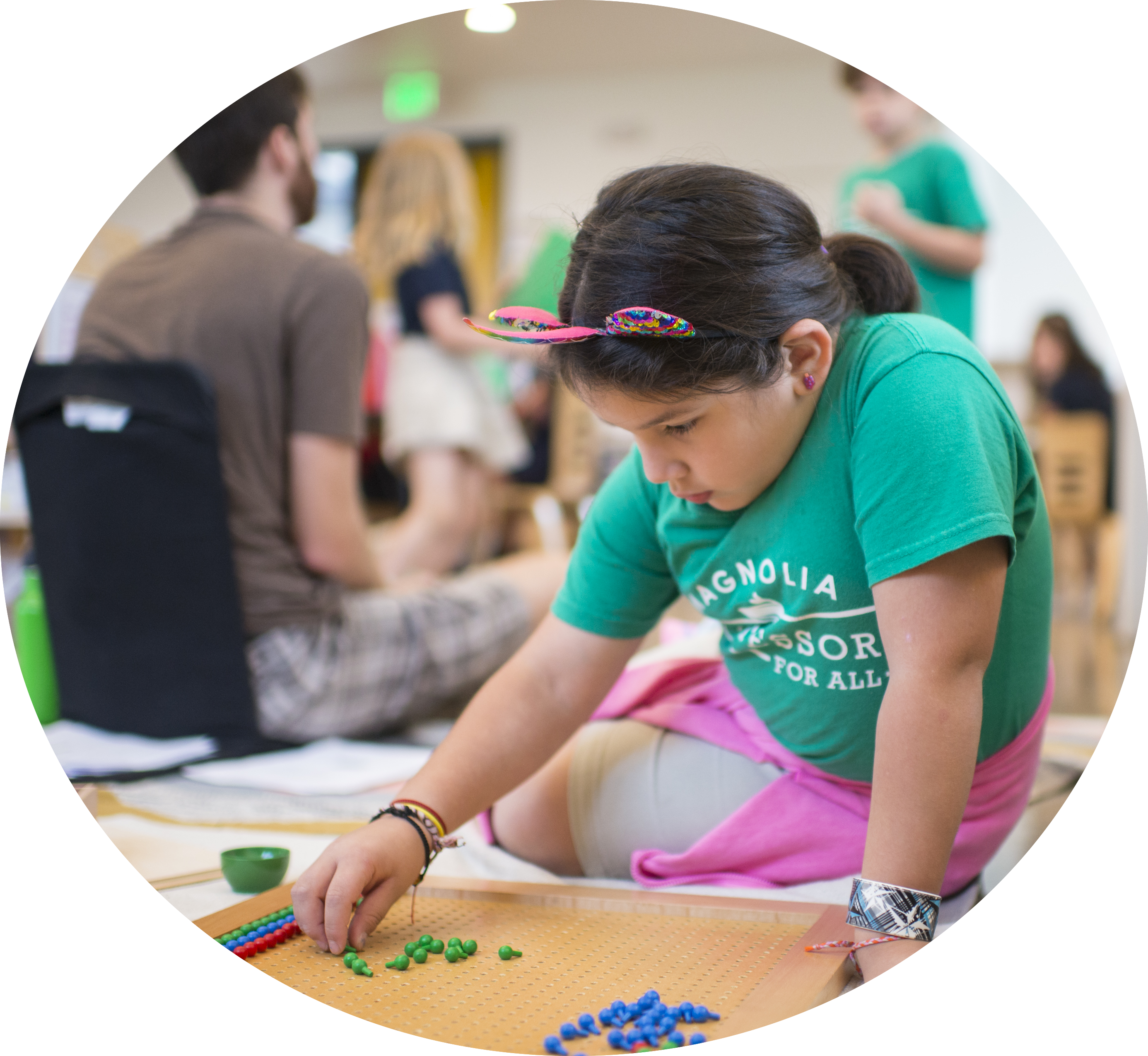
Magnolia Montessori For All

CHARTER SCHOOLS

Grades PreK – 12

We believe all families deserve the right to choose a quality education for their children. 

The objective of this initiative is to expand the capacity of high performing charter schools that serve predominantly lower-income students.

Grants support schools serving grades PreK-12 that produce well-prepared graduates.

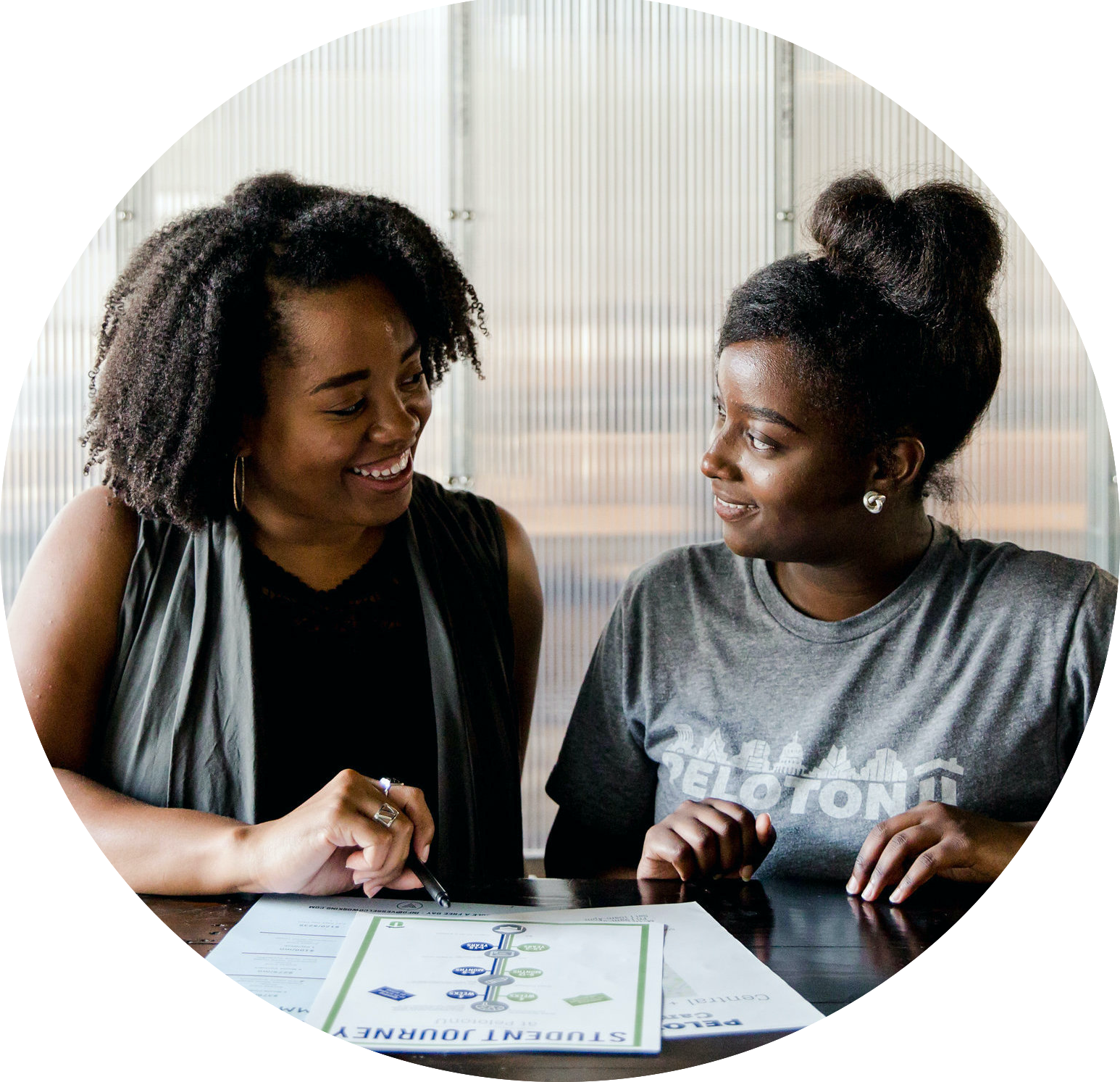
Peloton U

COLLEGE READINESS, ACCESS & PERSISTENCE

Grades 6-12+

We believe a college education unlocks opportunity in a competitive global economy.

The objective of this initiative is to increase the number of exceptionally well-prepared graduates who enroll in and succeed in college.

Grants support:

  • college preparation and access programs serving middle and high school students
  • college persistence programs for organizations working with students before high school graduation
  • college scholarships and emergency aid through partnerships with St. Edwards University (Austin, TX) and Montgomery College (Maryland)

Grant Types

Capacity Building Grants

Primarily, the Foundation supports one-year grants that help nonprofits build organizational capacity.  We define capacity building as strategic activities that strengthen an organization’s skills, systems, infrastructure, and resources to improve effectiveness, sustainability, and its ability to fulfill its long-term goals. Examples of WFF-supported capacity-building projects include curriculum development, program expansion and assessment, pilots, resource development, research, staff training, and small capital investments.  For more information on our capacity building grants, see our FAQs page.

Partner Grants

In addition to Capacity Building Grants, the Foundation also provides Partner Grants – multi-year general operating support for organizations whose missions are closely aligned with our Opportunities for Youth Achievement initiative’s goals – as well as Discretionary Grants. These types of grants are board- and staff-initiated.